
You get to meet the minds behind the latest breakthroughs in sex tech. These developers and designers share what sparks their passion, from creating safer devices to reimagining products like anal lube for everyone. You see how women and underrepresented voices shape the future of this industry.
“People deserve to feel seen and safe in their pleasure,” one designer told me. “That’s why I do this work.”
Key Takeaways
- Sex tech developers come from diverse backgrounds, including engineering, activism, and healthcare, shaping their innovative approaches.
- Collaboration is key in sex tech; developers and designers work together to create safe, user-friendly products that meet diverse needs.
- Inclusive design is essential; products like anal lube are now made to cater to all genders and abilities, ensuring everyone feels represented.
- User feedback drives innovation; developers listen to real experiences to create products that truly reflect user needs and preferences.
- Safety and privacy are top priorities; developers conduct rigorous testing and ensure user data is protected to build trust.
- Social change is a focus; sex tech aims to break down stigma and promote open conversations about pleasure and wellness.
- Emerging technologies like AI and virtual reality are transforming sex tech, offering personalized and immersive experiences.
- Women and nonbinary leaders are making significant strides in sex tech, advocating for inclusivity and challenging industry norms.
Meet the Innovators
Developer Profiles
Backgrounds
You meet developers from all walks of life in sex tech. Some started as engineers, others as activists, and a few came from healthcare. One developer shared that her journey began with a frustration: “I couldn’t find products that worked for my body or respected my privacy.” You see how these backgrounds shape their approach. Developers with engineering experience focus on safety and reliability. Those with activism roots push for products that serve marginalized communities. Healthcare professionals bring a deep understanding of anatomy and wellness. You notice that women and nonbinary developers often lead the way in creating solutions for overlooked needs, like anal lube that works for all genders and abilities.
Roles
Developers wear many hats. You find them coding apps, building hardware, and testing prototypes. Some work on user interfaces to make sure you can navigate products easily. Others focus on backend systems that keep your data safe. You might meet a developer who spends her day researching new materials for comfort and hygiene. Another might collaborate with designers to ensure that every product feels intuitive. You see that teamwork drives innovation in sex tech. Developers listen to feedback from users and adapt quickly. They often join forces with designers, marketers, and even medical experts to create products that feel inclusive and safe.
Designer Profiles
Creative Focus
Designers in sex tech bring unique skills to the table. You notice their focus on adaptive ergonomics, which means they design products for different body shapes and mobility levels. This approach helps everyone feel included. Designers also use gender-neutral marketing, so you see products that speak to a wide range of people without making anyone feel left out. Cultural competence stands out as another key skill. Designers listen to stories from diverse communities and use that knowledge to create products that respect different experiences of pleasure and identity.
Here’s a quick look at what designers bring to their roles:
| Skill/Experience | Description |
|---|---|
| Adaptive Ergonomics | Designing products for various body shapes and mobility levels to enhance usability for diverse users. |
| Gender-Neutral Marketing | Utilizing inclusive language and aesthetics to reach broader audiences without alienating core consumers. |
| Cultural Competence | Understanding diverse experiences of pleasure and identity to ensure relevance and ethical storytelling. |
Notable Work
You see designers leading projects that break new ground. For example, some have created wearable devices that visualize hand movements, making it easier for you to communicate your needs. Others design systems that remove barriers to pleasure, especially for people with disabilities. These projects challenge old ideas about who gets to enjoy sex tech. Designers often invite users to co-create, so you feel heard and represented. You notice that feedback from real people shapes every stage of development, from the first sketch to the final product. This commitment to inclusivity shows up in everything from anal lube packaging to the way instructions are written.
| Project/Product | Description | Benefits |
|---|---|---|
| Wearable Armband | Records hand movements and generates a live 3D model. | Visualizes hand motions, cultivates a common language, provides a novel experience, visually appealing, and easy to clean. |
| Access System | Toys and tools designed to remove access barriers to pleasure and sexual expression. | Challenges normative ideas around disability and sex, fosters community co-design. |
You see that innovation in sex tech comes from people who care about your experience. They want you to feel safe, seen, and empowered.
Motivations
Why Sex Tech?
Personal Stories
You might wonder what drives someone to work in sex tech. Many developers and designers share stories about their own experiences. Some talk about feeling left out by mainstream products. Others describe moments when they realized that pleasure products did not reflect their bodies or identities. One developer explained, “I wanted something that respected my privacy and actually worked for me.” You see that these personal stories often spark the first idea for a new product. For example, you might meet a designer who started working on anal lube after hearing from friends who felt ignored by traditional brands. These stories show you that innovation often begins with a simple question: “Why isn’t this better?”
Industry Gaps
You notice that many innovators enter sex tech because they see gaps in the industry. They find that mainstream products often ignore people with disabilities, nonbinary identities, or those going through menopause. You see that some products do not address basic needs, like comfort or safety. Developers point out that privacy is a huge concern for users. They want to create solutions that protect your data and respect your boundaries. You also see that many products do not consider cultural differences or the stigma around sexual health. Innovators step in to fill these gaps, designing products that feel more inclusive and accessible.
Inspiration
User Needs
You see that user needs inspire almost every new idea in sex tech. Designers listen to what you want and what you struggle with. Here are some common needs that drive innovation:
- Breaking the taboo around menstruation and sexual health.
- Empowering you to speak up about harassment and assault.
- Creating products that work for diverse bodies and identities, including periods and menopause.
- Making pleasure products that are easy to use and understand.
You notice that these needs shape everything from product design to packaging. For example, when you look at anal lube designed for all genders, you see how feedback from real users changes the final product.
Social Change
You play a role in a bigger movement when you use sex tech. Innovators see social change as essential. They work with marginalized communities to fight stigma and promote inclusivity. You hear them say that pleasure is a form of freedom and a part of social justice. Over 68% of adults in North America now see sexual wellness technology as important for overall health. Investment in this sector has grown by more than 35% in the past two years. You see public conversations about intimacy and pleasure becoming more common. This shift helps break down old taboos and opens the door for new ideas.
“Pleasure is not just personal—it’s political,” one designer shared. “When you feel safe and seen, you claim your rights.”
You see that sex tech is not just about products. It’s about changing how you think, talk, and feel about pleasure.
Challenges
You might think creating sex tech is all about fun and innovation, but you quickly see that developers and designers face real challenges every day. These hurdles range from technical barriers to deep-rooted social stigma. Let’s break down what you need to know.
Technical Barriers
Safety
You want products that feel safe and reliable. Developers spend hours testing materials and software to make sure nothing goes wrong. For example, when working on anal lube, teams test for allergies and compatibility with different toys. They also check for leaks and spills, which can cause embarrassment or even injury. One developer shared, “We run every prototype through dozens of safety checks. If it doesn’t pass, we go back to the drawing board.” You see that safety is never an afterthought.
Usability
You expect products to be easy to use, no matter your ability or experience. Designers listen to feedback from people with disabilities, older adults, and those new to sex tech. They simplify controls, add clear instructions, and use accessible packaging. Sometimes, a simple change—like a larger button or a textured grip—makes all the difference. You notice that teams often invite users to test products and share honest opinions, which leads to better design for everyone.
Ethical Issues
Privacy
You care about your privacy, especially with intimate products. Developers must get your explicit consent before collecting any data. They explain what information they need and why, so you never feel forced to share more than you want. As wearable tech becomes more common, you see companies working hard to protect your biometric data. They want you to feel in control, not watched.
Consent
Consent goes beyond just clicking “I agree.” In sex tech, it means making sure every interaction—digital or physical—respects your boundaries. Developers face tough questions when building AI-powered products. For example, some worry that robots or apps could normalize harmful behaviors if not designed carefully. Experts warn about the dangers of creating technology that cannot truly give or receive consent. You see that teams must think deeply about how their products shape real-world attitudes.
“We always ask ourselves, ‘Does this product empower the user, or does it cross a line?’” one designer explained.
- Common ethical dilemmas in sex tech:
- Using AI responsibly, especially with sensitive data.
- Ensuring all users understand and control what they share.
- Avoiding features that could normalize harmful or non-consensual behavior.
Social Stigma
Representation
You notice that stigma around sexual wellness affects who gets to create and use sex tech. Many innovators, especially women and nonbinary people, struggle to get their products seen. Advertising platforms often reject their campaigns, even when they follow the rules. This makes it harder for you to discover new, inclusive products.
| Challenge | Impact on Innovators |
|---|---|
| Ad Restrictions | Limits visibility and funding |
| Social Taboos | Creates barriers to open discussion |
| Platform Bans | Reduces access to new technologies |
Regulation
You see that rules about sex tech change from country to country. Some places crack down on AI-generated explicit content, especially when it involves minors. Others push for stronger laws to stop tech-enabled abuse. Developers must keep up with these shifting regulations, which can slow down innovation. The lack of clear guidelines makes it tough for you to know which products are safe and legal.
- Global regulatory challenges:
- Fragmented laws on AI and explicit imagery.
- Growing need for rules to prevent tech-assisted abuse.
- Recent enforcement actions highlight the urgency for clear standards.
You realize that every new product, from anal lube to smart toys, faces a maze of technical, ethical, and social challenges. Innovators keep pushing forward because they believe everyone deserves safe, inclusive pleasure.
Innovations: Anal Lube and Beyond
Product Design
Inclusivity
You see a big shift in how sex tech products, especially anal lube, get designed today. Developers and designers now ask more inclusive questions during user research. They want to make sure you feel represented, no matter your gender, orientation, or body type. Instead of lumping people into an “Other” category, they separate sex and gender questions. This small change helps you feel seen and respected.
Design teams also work closely with communities that have been left out in the past. For example, some studios co-create apps and products with teens who have intellectual disabilities. By inviting these users into the design process, you get products that actually fit your needs. This approach builds trust and leads to solutions that reach more people than anyone expected.
“When you design with people, not just for them, you create something that truly matters,” one developer shared.
You might not realize it, but over 1 billion people worldwide live with disabilities. Only a tiny fraction—about 10%—have access to products designed for them. At the same time, more than 371 million people identify as LGBTQ. These numbers show why inclusive design matters so much in sex tech.
Accessibility
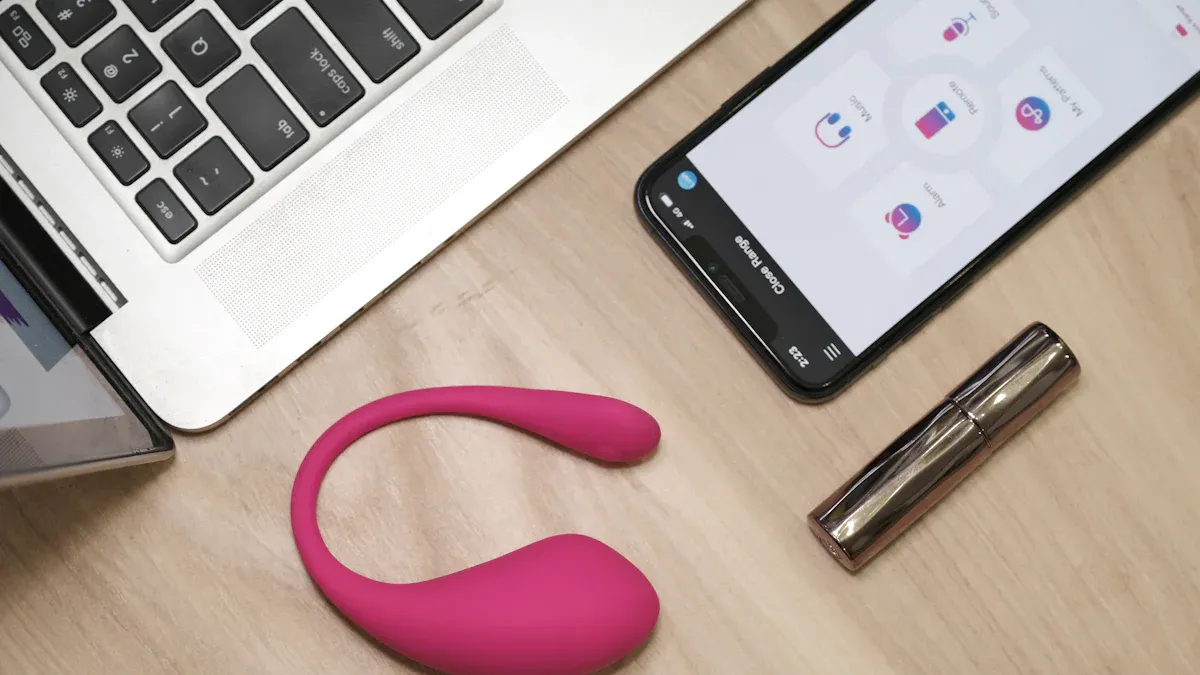
You want products that work for you, no matter your ability or experience. Designers now focus on accessibility from the start. They use modular components in anal lube packaging and applicators, so you can adjust them for different body shapes and abilities. Some products offer sensory customization, letting you control vibration, sound, or tactile feedback. This is especially helpful if you are neurodivergent or have sensory sensitivities.
Accessible interfaces are another big step forward. You see options like voice commands, eye-tracking controls, and simple touch panels. These features make it easier for people with motor impairments to enjoy sex tech products. When you pick up a new product, you notice clear instructions and packaging that is easy to open and understand.
Designers also avoid using language or imagery that could alienate you. They use gender-neutral terms and visuals, making sure everyone feels welcome. This focus on accessibility and inclusivity means you get products that fit your life, not the other way around.
Breakthroughs
Unique Features
You might wonder what sets the latest anal lube and sex tech products apart from older ones. The answer lies in their unique features and bold ideas. Here are some of the most exciting breakthroughs you’ll find:
- Modular designs that let you customize the product for your body and preferences.
- Sensory controls for vibration, sound, and touch, giving you more ways to enjoy and explore.
- Ergonomic applicators that adapt to different mobility levels, making anal lube easier to use for everyone.
- Virtual reality experiences that create immersive intimacy, using phantom touch illusions to blur the line between digital and real sensations.
- Devices inspired by nature, like those that enhance fertility or improve sexual function through innovative technology.
- Implants and wearable tech that offer new ways to experience pleasure, such as vibrating implants or smart armbands.
You see that these features don’t just add novelty—they solve real problems and open up new possibilities for pleasure and connection.
User Feedback
You play a key role in shaping the future of sex tech. Designers and developers listen closely to your feedback, especially when it comes to inclusive products like anal lube. Here’s what users like you have said about the latest innovations:
| Benefit of Inclusive Design | Description |
|---|---|
| Reduces user alienation | You feel more connected and accepted when products reflect your needs. |
| Increases first-time adoption | More people try new products when they see themselves represented. |
| Improves brand relatability | You relate better to brands that value diversity and inclusion. |
| Supports long-term usage | Products stay relevant as your needs change over time. |
| Strengthens cultural legitimacy | Inclusive products gain acceptance in different communities. |
You also notice practical improvements:
- Adjustable ergonomics help you find the perfect fit, no matter your body type.
- Sensory customization lets you tailor the experience to your comfort level.
- Accessible interfaces mean you can use products easily, even if you have limited mobility.
The sex tech industry now puts inclusivity and diversity at the center of design. You see products that work for a wide range of gender identities, orientations, and abilities. This shift means you get more choices and better experiences, whether you’re exploring anal lube for the first time or looking for something new.
If you want to learn more about the latest trends and user stories, you can check out reputable industry platforms and social media communities that focus on sexual wellness and tech innovation.
Impact and Representation
Feminism in Sex Tech
Women Leaders
You see women leading the way in sex tech. They bring fresh ideas and challenge old stereotypes. Many women founders started because they wanted products that respected their needs. You notice that women leaders often focus on safety, consent, and inclusivity. They ask questions like, “What makes this product feel empowering?” or “How can we make pleasure accessible for everyone?” These leaders push for better representation in every part of the industry. They hire diverse teams and listen to voices that often get ignored. You find that their work changes what sex tech looks like and who it serves.
Mentorship
Mentorship plays a big role in sex tech. You might see women leaders guiding newcomers through the challenges of building a startup. They share advice on funding, design, and dealing with stigma. Many mentorship programs connect you with people who have faced similar struggles. You learn how to pitch your ideas, find allies, and build confidence. Some leaders even create networks where you can ask questions and get honest feedback. This support helps more women and nonbinary people enter the field. It also makes the industry stronger and more creative.
Mainstreaming Wellness
Events and Visibility
You notice that sex tech has become more visible in recent years. Major events now showcase new products and ideas. For example:
- In 2018, a major tech expo introduced a female sex robot, sparking conversations about gender and technology.
- The same event featured robotic strippers, highlighting how tech can challenge or reinforce stereotypes.
- Virtual reality and augmented reality experiences appear at these expos, showing you new ways to explore intimacy.
These events bring sex tech into the spotlight. You see innovators sharing their stories and products with a wider audience. This visibility helps break down barriers and invites more people to join the conversation.
Changing Perceptions
You see public attitudes shifting as sexual wellness products appear in mainstream stores. Experts point out that this change signals a new openness. For example:
- Psychosexual therapists say that seeing sex toys in regular shops helps remove shame and encourages healthy discussions.
- The presence of these products in high-street stores shows that more people accept sexual wellness as part of everyday life.
| What’s Changing | Why It Matters |
|---|---|
| Sex tech in mainstream stores | Reduces stigma and sparks open conversations |
| More diverse products | Meets the needs of different bodies and identities |
| Public events and expos | Increases awareness and normalizes innovation |
You find that these changes make it easier to talk about pleasure and wellness. You see more people exploring what works for them without fear or embarrassment. This shift opens the door for new ideas and greater acceptance in society.
Future Visions
Industry Trends
Emerging Tech
You see sex tech moving fast. New technologies shape what you can expect in the next few years. Here’s what stands out:
- Generative AI now creates personalized experiences. Devices learn from your responses and adapt in real time.
- Neural interfaces let you control products with your mind. This opens doors for people with mobility challenges.
- Multisensory simulators blend touch, sound, and visuals. You get a more immersive experience.
- Smart fabrics and discreet wearables fit into your daily life. You can enjoy intimacy without anyone noticing.
- Virtual reality helps with therapy. You find new ways to address sexual health and wellness.
- Pleasure biosensors track your body’s reactions. Devices adjust to maximize comfort and enjoyment.
- Hybrid digital-physical products merge online and offline intimacy.
- Eco-friendly designs reduce waste and use sustainable materials.
- Interactive educational platforms make learning about sexual wellness engaging and fun.
You notice that these trends make sex tech more accessible and inclusive. The industry saw over $1 billion in investment in 2023. Experts predict the market will reach $30 billion by 2026. You can check out SexTechGuide or Future of Sex for more updates.
Hopes for Change
You hear innovators talk about their hopes for the future. Many want AI to create more engaging and personalized experiences. Some see AI avatars and chatbots changing not just pleasure, but also healthcare and education. You might soon use technology that supports your mental and physical well-being in new ways. Leaders hope for a world where everyone feels safe, seen, and empowered to explore pleasure.
“We want technology to help people connect, heal, and grow—not just physically, but emotionally,” one developer shared.
Advice for Newcomers
Getting Started
You want to join the sex tech field? Start simple. Find your niche and focus on one thing you love. Learn the basics and keep building your knowledge. Use search engines and online tutorials when you get stuck. Complete small projects and share your work. Connect with others in the industry. You can join forums or follow hashtags like #sextech on social media to meet peers and mentors.
Here’s a quick checklist to guide you:
- Pick a focus area that excites you.
- Learn the fundamentals—never stop learning.
- Build and finish projects, even small ones.
- Network and showcase your work.
- Practice regularly and stay consistent.
Overcoming Barriers
You will face challenges. Stigma and censorship remain big hurdles. Many platforms label sex tech as “high risk,” making it hard to access payment systems or advertising. Infrastructure can be limited. To overcome these barriers, look for specialized platforms that support high-risk businesses. Advocate for more inclusive policies in tech spaces. Stay persistent and connect with others who share your vision. Every step you take helps make the industry more open and welcoming for everyone.
| Barrier | How to Overcome |
|---|---|
| Stigma & Censorship | Use supportive platforms, build strong networks |
| Payment Restrictions | Seek out high-risk payment providers |
| Limited Visibility | Leverage social media and community events |
You shape the future of sex tech by showing up, speaking out, and building what matters to you.
You’ve seen how real people drive change in sex tech. Here’s what stands out:
- Major events now welcome sex tech, showing growing respect for sexual wellness.
- Customer feedback shapes every design, leading to more gender-neutral and discreet products.
- Inclusivity opens new markets and improves health outcomes, while ignoring it can push users away.
You shape this industry by sharing your needs and stories. As one developer said, “When you feel seen, you help everyone move forward.” 🚀
FAQ
What is sex tech, and why does it matter?
Sex tech covers technology that supports sexual health, pleasure, and wellness. You see it in apps, smart devices, and even new types of lubricants. This field matters because it helps you feel safe, seen, and empowered in your intimate life.
How do developers make anal lube more inclusive?
Developers listen to feedback from people of all genders and abilities. They test different formulas and packaging. You might see adjustable applicators or gender-neutral language. This approach helps everyone feel welcome and supported.
What are the biggest challenges in sex tech development?
You face hurdles like social stigma, strict regulations, and privacy concerns. Teams also work hard to make products safe and easy to use. Here’s a quick look:
| Challenge | Impact |
|---|---|
| Stigma | Limits open discussion |
| Regulation | Slows innovation |
| Privacy | Demands strong security |
How can you give feedback on new sex tech products?
You can join online forums, fill out surveys, or attend community events. Many developers invite you to share your thoughts during product testing. Check out Future of Sex for ways to get involved.
Is sex tech safe to use?
Most products go through safety checks and user testing. You should always read instructions and look for products that follow health guidelines. If you have concerns, talk to a healthcare provider or visit trusted resources like SexTechGuide.
How does sex tech protect your privacy?
Developers use encryption and clear consent forms. You control what data you share. Always check privacy policies before using a new device or app. If you want more tips, visit Electronic Frontier Foundation.
Where can you learn more about sex tech trends?
You can follow industry news on platforms like SexTechGuide or join conversations on social media using hashtags like #sextech. These sources help you stay updated on new products and research.
Can anyone join the sex tech industry?
Yes! You can start by learning basic skills, joining online communities, and building small projects. Many people enter from tech, design, or healthcare backgrounds. If you want advice, check out online groups or mentorship programs.