

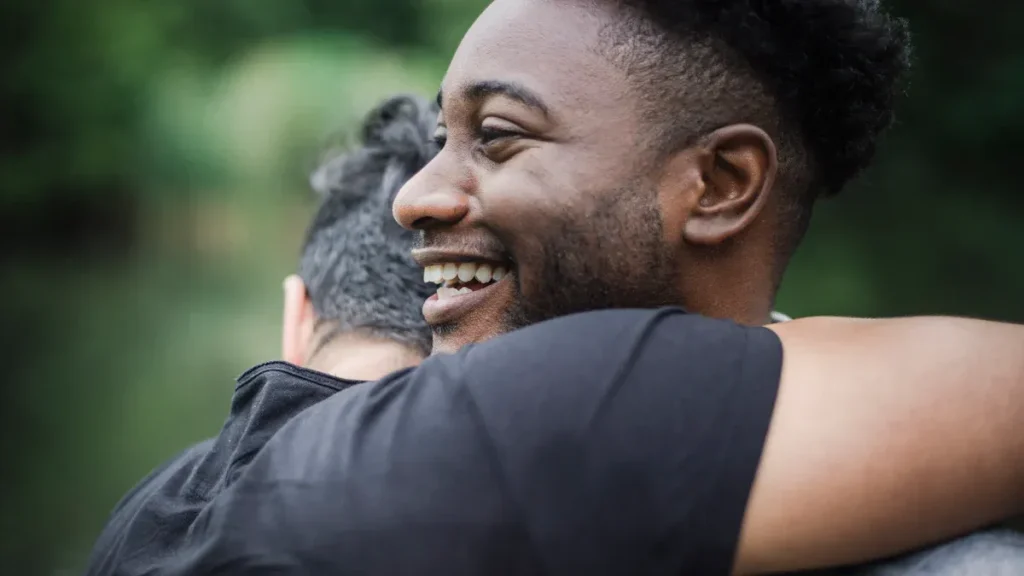
Time apart can often make you realize the true strength of your feelings. When you experience separation, your mind and heart naturally reflect on what matters most. Psychological studies show that absence can increase the motivation to reconnect and deepen the bond when you reunite.
| Study Title | Key Findings |
|---|---|
| The Neurobiology of Love and Pair Bonding from Human and Animal Perspectives | Partner separation leads to negative reinforcement that drives individuals to seek reunion, supported by physiological changes in prairie voles. |
| The Longing That Keeps Love Alive According to Scientists | Motivation to reunite strengthens over time, with longer separations leading to a stronger drive to reconnect. |
| New study proves absence really does make the heart grow fonder | Unique brain activity in voles upon reunion indicates that longer separations enhance the bond, evidenced by increased activity in the brain’s reward center. |
Reflect on the Love That Found its way back to you or others. You may discover that distance can help love grow stronger and more meaningful.
Key Takeaways
- Time apart can deepen your feelings and strengthen your bond when you reunite.
- Separation allows for personal growth, helping you discover new interests and build confidence.
- Reflecting on your relationship during distance helps clarify your emotional needs and priorities.
- Recognizing unhealthy patterns becomes easier when you have space to think about your relationship.
- Emotional maturity and forgiveness are essential for healing old wounds and rebuilding trust.
- Open communication and setting boundaries are key to a successful reunion after time apart.
- Personal growth during separation prepares you for a healthier relationship in the future.
- Staying open to love means embracing change and focusing on your own journey.
Distance and Perspective
Personal Growth During Separation
Independence and Self-Discovery
Time apart from your partner gives you a unique opportunity to focus on yourself. You may discover new interests, develop hobbies, or pursue goals that you previously set aside. Research shows that individuals often report increased independence and a stronger sense of self after a period of romantic separation. You might notice that you rely less on your partner for emotional support and begin to trust your own judgment more.
Tip: Journaling during separation can help you track your personal growth and clarify your values.
Consider the story of Maya, who spent a year studying abroad while her partner stayed home. During this time, Maya learned a new language, made friends from different cultures, and realized her passion for travel. When she reunited with her partner, she brought a renewed sense of purpose and confidence to the relationship.
If you want to explore more about personal growth during separation, platforms like Psychology Today offer expert articles and community discussions.
Building Confidence
Separation often pushes you out of your comfort zone. You may need to make decisions independently, solve problems on your own, and face challenges without immediate support. This process builds self-confidence and resilience. Many people find that they communicate better and set healthier boundaries after spending time apart.
A recent survey found that 68% of individuals who experienced a breakup or long-distance relationship reported feeling more confident in their ability to handle future challenges. The growth is especially noticeable in those who view the separation as a chance to learn rather than a loss.
| Personal Growth Area | Percentage Reporting Improvement |
|---|---|
| Self-Confidence | 68% |
| Independence | 72% |
| Communication Skills | 61% |
Seeing Relationship Patterns Clearly
Understanding Needs
Physical distance gives you space to reflect on what you truly need from a relationship. You may realize that some of your previous expectations were shaped by habit rather than genuine desire. Experts note that separation can intensify longing and appreciation, making you more aware of your emotional needs.
- You might notice which aspects of your relationship you miss most.
- You may identify needs that went unmet, such as emotional support or shared values.
- You can clarify what you want in a future partner or in your current relationship.
For example, Alex spent six months apart from his partner due to work commitments. During this time, he realized that he valued open communication and emotional honesty above all else. This insight helped him approach his reunion with a clearer understanding of his priorities.
Recognizing Habits
Distance also helps you spot patterns that may have gone unnoticed. You can reflect on your behavior and your partner’s actions without the distractions of daily interaction.
- Time apart allows for reflection on relationship dynamics.
- You may identify unhealthy patterns like dependency or lack of respect.
- You gain clarity on behaviors that you overlooked during the relationship.
A real-life case involves Jamie and Taylor, who decided to take a break after frequent arguments. During their time apart, Jamie recognized a tendency to avoid difficult conversations, while Taylor noticed a pattern of seeking reassurance. When they reunited, both felt better equipped to address these habits and build a healthier relationship.
Note: Relationship experts emphasize that individual differences play a significant role in how distance impacts emotional connections. Some people feel closer after time apart, while others may find their bonds weaken.
If you want to learn more about recognizing relationship patterns, visit The Gottman Institute for research-based advice.
How Distance Shapes Perspective
Relationship experts often discuss two common sayings:
- “Out of sight, out of mind” suggests that physical absence can weaken emotional bonds.
- “Absence makes the heart grow fonder” implies that separation can intensify longing and appreciation.
Your experience may fall anywhere between these extremes. Some individuals get closer to initiate more intimate interactions, while others maintain distance to keep the relationship platonic. Social distancing due to external factors, such as a pandemic, can also influence how you perceive romantic connections.
Reflect: Ask yourself how distance has shaped your perspective on love and connection. Have you grown stronger, or do you feel more distant?
By embracing time apart, you give yourself the chance to grow, gain clarity, and return to your relationship with a deeper understanding of yourself and your partner.
Absence and Clarity
True Feelings Revealed
Emotional Reflection
Time apart gives you a rare chance to look inward. When you step back from daily routines, you can reflect on your emotions without outside pressure. You may notice feelings that you ignored before. For example, you might realize that you miss your partner’s laughter or the comfort of their presence. On the other hand, you may feel relief or peace, which can signal that the relationship did not meet your needs.
Tip: Try journaling or talking with a trusted friend during this period. These activities help you process your emotions and gain clarity.
A case in point: After a six-month break, Jordan realized he missed the emotional support his partner provided. This insight helped him understand the depth of his feelings and guided his decision to reconnect. For more on emotional reflection, you can visit Psychology Today’s relationship section.
Distinguishing Love from Habit
Absence helps you separate genuine love from routine. When you spend time apart, you can ask yourself if you miss your partner as a person or just the comfort of familiar habits. This distinction matters. If you find that you long for meaningful conversations and shared dreams, you likely feel true love. If you only miss routines, you may have stayed together out of habit.
Consider the story of Priya, who took a break from her long-term relationship. During her time alone, she realized she missed her partner’s kindness and humor, not just their daily rituals. This clarity helped her make a confident choice about the future.
Re-evaluating Priorities
What Matters Most
Time apart encourages you to re-examine your values and relationship goals. Many people use this period to focus on personal growth and self-reflection. You may find that your priorities shift as you gain new experiences.
Common priorities people re-evaluate after a breakup or time apart:
- Define the purpose for the break—such as working on personal issues or reassessing compatibility.
- Use the time intentionally—engage in activities like therapy, journaling, or hobbies.
- Stay open to change—recognize areas in the relationship that need adjustment and be willing to adapt.
| Priority | Description |
|---|---|
| Purpose of the break | Clarify why you need space and what you hope to learn |
| Intentional growth | Focus on self-improvement and reflection |
| Openness to change | Accept that both you and your partner may grow |
Motivations for Reunion
After time apart, you can better understand your reasons for wanting to reunite. Are you motivated by love, shared values, or a desire for comfort? Honest answers to these questions help you make wise choices.
A real-life example: After a year apart, Sam and Riley realized they both valued honesty and growth. Their motivation to reunite came from a shared vision for the future, not just nostalgia. This clarity set the stage for a healthier relationship.
Note: If you want to explore more about relationship priorities and motivations, check out Greater Good Magazine’s articles on love and connection.
Absence does not just create longing. It gives you the space to reflect, clarify your feelings, and set new priorities for your relationship and your life.
Reasons for Breakup and Reunion
Impact of Past Issues
Learning from Mistakes
You may find that breakups often happen for a mix of reasons. Sometimes, lingering feelings remain even after you separate. Other times, regret or the comfort of familiarity draws you back together. The table below highlights common reasons couples break up and later reunite:
| Reason | Description |
|---|---|
| Lingering feelings | You may still care deeply for your ex, which can lead to reconciliation. |
| Familiarity | The comfort of knowing your ex can feel safer than starting over with someone new. |
| Companionship | Loneliness after a breakup can make you seek your ex’s company again. |
| Insight | Time apart can help you see your ex in a new light, making them seem more suitable. |
| The ex is still better | You might realize that other partners do not compare to your ex. |
| Regret | Sometimes, you feel breaking up was a mistake and want to try again. |
| For the partner’s sake | Guilt or obligation can motivate you to reunite, even if desire is lacking. |
| Problems in renewed relationships | Old issues can resurface, causing disappointment after getting back together. |
Learning from past mistakes is key if you want a healthier reunion. After a breakup, you may send mixed signals because of unresolved emotional issues. This behavior often reflects a struggle with closure and a fear of finality. You might seek validation or avoid facing the end of the relationship. These actions can prolong healing and complicate a successful reunion.
Tip: Reflect on your past relationship patterns. Honest self-assessment helps you avoid repeating the same mistakes.
Addressing Old Challenges
Unresolved issues can create emotional baggage that hinders communication. Triggers from past conflicts may cause strong emotional reactions, even during minor disagreements. You might notice a cycle of repetitive problems, which can lead to frustration and resentment. If you expect things to improve after reuniting but do not address old challenges, disappointment often follows. A lack of closure makes it hard to build a solid foundation for your renewed relationship.
- Emotional baggage can block open conversations.
- Old conflicts may resurface and escalate quickly.
- Repeating the same arguments can erode trust and happiness.
- Without closure, you may struggle to move forward together.
A real-life example involves Sarah and Ben, who broke up due to constant arguments about priorities. After months apart, they reunited but soon realized the same issues returned. Only after attending couples counseling and openly discussing their triggers did they begin to heal and rebuild trust.
For more insights on overcoming relationship challenges, you can explore The Gottman Institute’s resources.
Compatibility After Time Apart
Changed Values
Time apart often leads to personal growth. You may experience major life events or changes in your personality that affect compatibility. For example, you might develop new interests, beliefs, or goals. These changes can either bring you closer or highlight differences that make reunion difficult.
| Evidence | Description |
|---|---|
| Personality Change | Major life events can shift your personality traits, impacting compatibility. |
| Individual Factors | Health or neurological changes can also influence how you relate to others. |
- Compatibility is not fixed. It evolves as you grow and your needs change.
- You may find that what mattered before no longer feels important.
New Life Circumstances
Life circumstances can shift dramatically during time apart. You might move to a new city, start a new career, or develop different routines. These changes can affect how well you and your partner fit together after reuniting.
- Personal growth and new experiences can change your outlook.
- Different life stages may create new challenges or opportunities for connection.
Consider the story of Marcus and Elena. They broke up when Marcus moved abroad for work. Years later, both had changed careers and developed new interests. When they reconnected, they discovered that their values and lifestyles had shifted, making them more compatible than before.
Note: Stay open to the possibility that you and your ex may have grown in different directions. Honest conversations about your current values and circumstances help you decide if reunion is right for you.
For more on how life changes impact relationships, visit Psychology Today’s relationship section.
Love That Found Its Way Back

Real-Life Stories
Overcoming Challenges
You may wonder if couples can truly reconnect after years apart. Many people have experienced Love That Found its way back, even after facing significant obstacles. When you look at real-life examples, you see that separation does not always mean the end. Some couples overcome emotional confusion, personal growth, and the need for mutual respect before they reunite.
- Pink and Carey Hart separated in 2008. They chose marriage counseling and worked through their differences. In 2010, they confirmed their reunion and later welcomed their first child.
- Hailey Baldwin and Justin Bieber dated briefly in 2015-2016. After spending time apart, they reconciled in 2018 and married in 2019.
- Damian and Amanda divorced in 2006 because of financial and personal issues. In 2011, Damian visited Amanda in the hospital. A simple hand-hold rekindled their Love That Found its way back.
- Chris and Dee divorced in 1979 after Chris’s affair. In 2009, the death of their son brought them together again. Chris realized his mistake and moved back to the UK to be closer to Dee.
You see that emotional confusion often appears during the initial separation. Couples must invest in personal growth and self-reflection. Mutual respect and emotional investment become essential for a successful reunion. If you want to learn more about relationship counseling and personal growth, you can visit The Gottman Institute or Psychology Today.
| Couple | Years Apart | Key Challenge | How They Reconnected |
|---|---|---|---|
| Pink & Carey Hart | 2 | Communication, counseling | Therapy, renewed commitment |
| Hailey & Justin | 2-3 | Maturity, timing | Reconnection, marriage |
| Damian & Amanda | 5 | Divorce, health crisis | Hospital visit, empathy |
| Chris & Dee | 30 | Infidelity, grief | Loss, forgiveness |
Tip: If you face separation, focus on personal growth and honest communication. These steps help you prepare for a possible reunion.
Rediscovering Connection
When you reconnect after time apart, you may notice that the relationship feels different. You bring new perspectives and emotional maturity. The Love That Found its way back often feels deeper because you have learned from past mistakes. You may rediscover shared interests, values, and dreams.
You can take actionable steps to rebuild your connection:
- Communicate openly about your experiences during separation.
- Set new boundaries and expectations.
- Invest in activities that strengthen your bond, such as shared hobbies or travel.
- Seek support from trusted friends or professionals if needed.
Many couples find that their renewed relationship stands on a stronger foundation. You may feel more confident and secure. If you want to explore more about rediscovering connection, you can follow relationship experts on Instagram or read articles on Greater Good Magazine.
The Soulmate Concept
Destiny and Timing
You may believe that Love That Found its way back happens because of destiny or perfect timing. Psychological theories, such as attachment theory, suggest that early relationships shape your future connections. You may seek partners who reflect your deepest needs and unresolved emotions. The Twin Flames idea describes intense connections that trigger personal growth and emotional responses. These relationships often serve as mirrors for your fears and insecurities.
Some people feel destined to reconnect with a specific person. You may notice that timing plays a crucial role. Life changes, personal growth, and new circumstances can create the right moment for reunion. If you want to learn more about soulmate theories, you can read research on Psychology Today or The Gottman Institute.
Note: Destiny does not guarantee a perfect relationship. You must work on communication, trust, and emotional maturity.
Persistent Feelings
You may experience persistent feelings for someone, even after years apart. These emotions can motivate you to seek reunion. You might feel a strong sense of longing, unfinished business, or deep connection. Many people describe Love That Found its way back as a feeling that never fades, no matter how much time passes.
You can reflect on your feelings by journaling or talking with a trusted friend. If you notice that your emotions remain strong, you may consider reaching out to your former partner. Honest conversations help you understand if reunion is possible and healthy.
| Feeling Type | Description | Actionable Step |
|---|---|---|
| Longing | Missing the person deeply | Reflect, reach out |
| Unfinished business | Desire for closure or answers | Communicate openly |
| Deep connection | Sense of destiny or soulmate bond | Explore reunion possibilities |
You may find that Love That Found its way back brings new hope and possibility. If you stay open to growth and change, you can build a relationship that feels more meaningful and resilient.
Rekindling with Emotional Maturity
Growth and Forgiveness
Healing Old Wounds
When you choose to rekindle a relationship, emotional maturity becomes essential for healing old wounds. You need to recognize past mistakes and take responsibility for your actions. Forgiveness plays a key role in this process. You do not rebuild trust with words alone. You rebuild it through consistent, aligned actions over time.
Forgiveness is a decision; it isn’t a feeling. If you wait until you feel like forgiving, you may wait for the rest of your life. You do not have to forget what happened or pretend it did not matter. You choose to place that pain aside and focus on rebuilding broken trust.
You can look at the story of Mia and Lucas. After a painful breakup, both spent time apart working on personal growth. When they reunited, Mia decided to forgive Lucas for past mistakes. She did not forget the hurt, but she chose to move forward. Their relationship grew stronger because they both committed to healing together.
If you want to learn more about forgiveness and emotional healing, you can visit Psychology Today’s forgiveness section.
Increased Emotional Intelligence
Emotional intelligence helps you perceive and manage your emotions effectively. You become more self-aware and understand your emotional needs. This growth allows you to resolve underlying issues and maintain healthy boundaries. You also learn to communicate honestly and openly, which is crucial for addressing distance in relationships.
- Emotional maturity fosters self-awareness.
- It enhances personal growth and helps you resolve issues.
- Healthy boundaries create a balanced atmosphere for both partners.
- Developing emotional intelligence aids in controlling emotions.
- Honest communication encourages constructive dialogue.
You set a positive example when you practice self-reflection. This approach encourages your partner to communicate openly and build a stronger connection.
Building a Stronger Foundation
Trust and Communication
Trust and communication form the backbone of any successful reunion. You need to create a welcoming environment where both partners feel safe to share their thoughts. Technology can help you stay connected, especially if you live apart. You should maintain communication even after reuniting to strengthen your bond.
| Strategy | Description |
|---|---|
| Create a welcoming environment | Ensure that the setting is comfortable and inviting for both partners to encourage reconnection. |
| Utilize technology for engagement | Use digital tools like video calls and messaging to enhance the reunion experience. |
| Maintain communication post-event | Keep the conversation going after reuniting to strengthen your relationship. |
You can define your goals from the outset and set the tone for your renewed relationship. Regular communication and collaboration help you avoid misunderstandings and build trust.
Setting Boundaries
Healthy boundaries allow both partners to thrive. You need to respect each other’s space and individuality. Emotional maturity helps you set clear boundaries and communicate your needs. You can form an effective partnership by discussing expectations and respecting limits.
- Define your goals for the relationship.
- Communicate your boundaries clearly.
- Collaborate to ensure both partners feel valued.
Alumni reunions often serve as a powerful way to rekindle friendships and strengthen bonds. You reflect on shared experiences, celebrate achievements, and invest in future connections. These steps are essential for building a stronger foundation after reuniting.
If you want more tips on setting boundaries and building trust, you can follow The Gottman Institute on Instagram or read articles on Greater Good Magazine.
Love That Found its way back often succeeds when you approach it with emotional maturity, forgiveness, and a commitment to growth.
When Reunion Isn’t Right
Accepting Different Paths
Growth in Separate Directions
Sometimes, you and your partner grow in ways that no longer align. You may discover new passions, values, or goals that lead you down separate roads. This does not mean you failed. It means you honored your own journey.
- You can experience personal growth and self-reflection, learning new ways to align with your inner truths.
- Breakups give you a chance to reinvest in yourself and build deeper connections with friends and family.
- Many people find a resurgence of creativity, motivation, and passion, leading to a more fulfilling life.
With open, seemingly limitless space to reflect and re-evaluate, you have the ability to perform a life edit. Essentially, a life edit is the practice of taking intentional steps toward creating the life of your dreams.
Consider the story of Lena and Chris. After college, Lena wanted to travel and explore new cultures. Chris felt ready to settle down in his hometown. They realized their dreams no longer matched. By choosing separate paths, both found happiness and personal fulfillment.
Finding Closure
Closure helps you heal and move forward. You may need to accept that some relationships serve a purpose for a season, not a lifetime. Honest conversations, self-reflection, and time apart can help you find peace.
| Step for Closure | Description |
|---|---|
| Honest reflection | Think about what you learned from the relationship. |
| Express emotions | Write, talk, or create art to process feelings. |
| Set new intentions | Focus on your goals and dreams. |
You can find more guidance on closure and healing at Verywell Mind.
Moving Forward
Lessons Learned
Every relationship teaches you something valuable. You may learn about your needs, boundaries, and strengths. These lessons help you grow into a more self-aware and compassionate person.
Ultimately, what all of these unexpected, but very real benefits of breaking up lead to is re-emerging as a transformed, strong, compassionate, and self-aware individual. Through grief, loss, and the experience of opening yourself up to others, you can craft a life that’s filled with significance, meaning, and love at every turn.
You might notice that after a breakup, you feel more motivated to pursue your interests or reconnect with old friends. Many people report feeling stronger and more confident after taking time to heal.
Embracing New Beginnings
Letting go of a past relationship opens the door to new opportunities. You can focus on your passions, meet new people, and create a life that reflects your true self. Social platforms like Reddit’s r/BreakUps offer supportive communities where you can share your story and find encouragement.
- Try new hobbies or revisit old ones.
- Build new friendships and strengthen existing ones.
- Set personal goals and celebrate your progress.
You may find that moving forward brings unexpected joy and growth. Choosing your own path can lead to a life filled with meaning and possibility.
Reflecting on Your Journey
Self-Assessment
Readiness for Reunion
You may wonder if you are truly ready to reconnect with someone after time apart. Self-assessment helps you answer this question. Start by asking yourself what you want from a reunion. Consider your emotional state and your reasons for wanting to reconnect. You can use a simple checklist to guide your reflection:
| Self-Assessment Question | Yes | No |
|---|---|---|
| Do you feel emotionally stable? | ||
| Have you addressed past issues? | ||
| Are you clear about your needs? | ||
| Can you communicate openly? | ||
| Are you willing to accept change? |
You can fill out this table and see where you stand. If you answer “yes” to most questions, you may feel ready for a reunion. If you answer “no,” you might need more time for personal growth.
Tip: Try journaling your thoughts or discussing them with a trusted friend. Social platforms like Reddit or relationship forums offer spaces to share your story and get feedback from others who have faced similar choices.
Personal Growth
Personal growth during separation shapes your future relationships. When you commit to a plan for self-improvement, you build emotional independence. You learn to define your values and goals. This process helps you become a whole person, ready to complement a partner rather than depend on them. You gain clarity about what you want and what you can offer in a relationship.
Consider the case of Jordan, who spent a year focusing on his career and mental health after a breakup. He set goals, attended therapy, and developed new hobbies. When he felt ready to reconnect, he brought confidence and self-awareness to his relationships. You can follow similar steps by setting personal goals and tracking your progress.
Hope and Possibility
Staying Open to Love
You may feel uncertain after a breakup or time apart. Staying open to love means allowing yourself to heal and grow. You can join online communities, attend local events, or follow relationship experts on social media for inspiration. Many people find hope by connecting with others who share their experiences.
- Recognize that life transitions help you prepare for new relationships.
- Maintain open communication with friends and family to foster empathy.
- Cultivate resilience and flexibility to navigate changes.
Note: You do not need to rush into a new relationship. Focus on building a strong foundation within yourself first.
Embracing Change
Change is a natural part of every relationship journey. You can embrace it by practicing active listening and validating your own feelings. Set new goals for yourself and your relationships. Life transitions, such as moving or starting a new job, can prompt significant growth. Personal development may lead you to new interests and values.
- Accept change as part of your journey.
- Practice resilience and flexibility.
- Set shared goals with future partners to strengthen your bond.
You can find support and inspiration by following relationship experts on platforms like Instagram or joining online support groups. Real-life stories show that embracing change leads to stronger, healthier relationships.
💡 Remember: Every step you take toward growth and openness brings you closer to meaningful connections and lasting love.
Time apart gives you space to grow and see your relationship with fresh eyes. You build emotional maturity, learn to communicate, and develop patience. Experts say regular separations help you stay curious and keep conversations interesting.
- You can reflect on your motivations and ask yourself if past issues have been resolved.
- Try relationship check-ins and set new boundaries for trust.
| Strategy | Benefit |
|---|---|
| Building anticipation | Revitalizes connection |
| Dedicated intimacy time | Strengthens emotional bonds |
Visit Psychology Today for more guidance. Love That Found its way back can feel deeper, but sometimes moving forward is the healthiest choice.
FAQ
What can you do to make time apart beneficial for your relationship?
You can focus on personal growth, set goals, and reflect on your needs. Try journaling or learning new skills. Use this time to strengthen your independence and prepare for a healthier reunion.
How do you know if you truly miss your partner or just the routine?
Ask yourself what you miss most. If you long for meaningful conversations and emotional support, you likely miss your partner. If you only miss daily habits, you may miss the comfort of routine.
Can a relationship survive after a long separation?
Yes, many couples reconnect after years apart. You need honest communication, emotional maturity, and a willingness to address past issues. Real-life stories show that growth and forgiveness help rebuild strong bonds.
What steps help you rebuild trust after reuniting?
Start with open conversations about past challenges. Set clear boundaries and follow through on promises. Consistent actions and patience help you restore trust over time.
How do you handle growing in different directions from your partner?
Recognize your new interests and values. Talk openly about your goals. If your paths no longer align, focus on personal fulfillment and seek closure. Growth in separate directions can lead to new opportunities.
What signs show you are ready for a reunion?
You feel emotionally stable, have addressed past issues, and know your needs. You communicate openly and accept change. Use a checklist to assess your readiness before reconnecting.
How can you stay open to love after a breakup?
Join supportive communities, try new hobbies, and connect with friends. Practice self-care and set personal goals. Staying open to love means embracing change and focusing on growth.
What if reunion is not the right choice for you?
Accept that moving forward can bring happiness. Focus on lessons learned and personal growth. Set new intentions and explore new beginnings. Closure helps you heal and find meaning in your journey.