
You might feel awkward tossing out an old adult toy, but you’re definitely not alone. In 2022, about 163 million adults in the U.S. owned one. Responsible disposal protects your privacy and helps keep your space safe. Choosing eco-friendly or discreet options matters, especially when you consider the impact on the environment:
- Some materials, like phthalates, can linger and harm people and aquatic life.
- Batteries may leak toxins into soil and water.
- Mixed materials make recycling tough, so many end up in landfills.
- Extra packaging adds more waste.
Key Takeaways
- Responsible disposal of adult toys protects your privacy and the environment.
- Consider reusing or recycling high-quality toys made from silicone or glass to reduce waste.
- Wrap old toys in paper or bags before throwing them away to maintain discretion.
- Remove batteries and electronic parts before disposal to prevent harmful chemicals from leaking.
- Choose eco-friendly options, like biodegradable packaging, to minimize environmental impact.
- Donate unopened toys to local charities to support sexual health education and community wellness.
- Always clean and sanitize toys before recycling, donating, or tossing them to ensure safety.
- Check local recycling guidelines to know which materials can be recycled and how to prepare them.
Responsible Adult Toy Disposal Methods
Quick Disposal Overview
You have several options when it comes to getting rid of an old adult toy. Each method has its own impact on the environment and your privacy. Here’s a quick look at the most responsible ways to dispose of these items:
- Reuse or Recycle
If your adult toy is made from high-quality materials like silicone or glass, you can sterilize and reuse it. This reduces waste and keeps the item out of landfills. Some local recycling programs accept certain materials, so check with your city’s guidelines before tossing anything. - Local Waste Management
When recycling isn’t possible, follow your local waste disposal rules. Wrap the toy in paper or a bag before placing it in the trash. This step helps protect your privacy and keeps the item from being easily recognized. - Disassembly
Many adult toys contain batteries or electronic parts. Take the toy apart if you can. Recycle batteries and electronics at a designated drop-off point. This keeps harmful chemicals out of the environment. - Eco-Friendly Options
Some toys come in biodegradable or compostable packaging. Choose these options when available. They break down faster and have less impact on the planet. - Donation (Unused Only)
If you have a new, unopened adult toy, consider donating it to a local charity or community group. Some organizations accept these items for sexual health education or support services.
Tip: Always clean and sanitize your adult toy before recycling or donating it. This protects workers and ensures safe handling.
Here’s a table to help you compare disposal methods:
| Disposal Method | Environmental Impact | Privacy Level | Action Needed |
|---|---|---|---|
| Reuse/Recycling | Low | High | Clean, check local rules |
| Local Waste Management | Medium | High | Wrap, follow guidelines |
| Disassembly | Low | High | Remove batteries/electronics |
| Eco-Friendly Options | Very Low | High | Choose compostable items |
| Donation (Unused) | Low | High | Must be unopened/clean |
Why Responsible Disposal Is Important
You might wonder why you should go through all this effort. Responsible disposal of an adult toy matters for a few big reasons:
- Privacy
Tossing an adult toy in the trash without wrapping it can lead to awkward moments. Neighbors, family, or even sanitation workers might see it. Taking a few extra steps keeps your personal life private. - Safety
Many adult toys contain batteries or electronics. If you throw these in the regular trash, they can leak harmful chemicals into the soil and water. Disassembling and recycling these parts keeps your community safer. - Environmental Protection
Materials like plastic, rubber, and certain chemicals can stick around in landfills for decades. By recycling or choosing eco-friendly options, you help reduce pollution and protect wildlife. - Community Responsibility
Donating unused adult toys supports sexual health education and helps people who might not have access to these resources. You make a positive impact by giving back.
Remember: Every small action adds up. When you dispose of an adult toy responsibly, you protect your privacy, keep your neighborhood safe, and help the planet.
Identifying Materials in Sex Toys
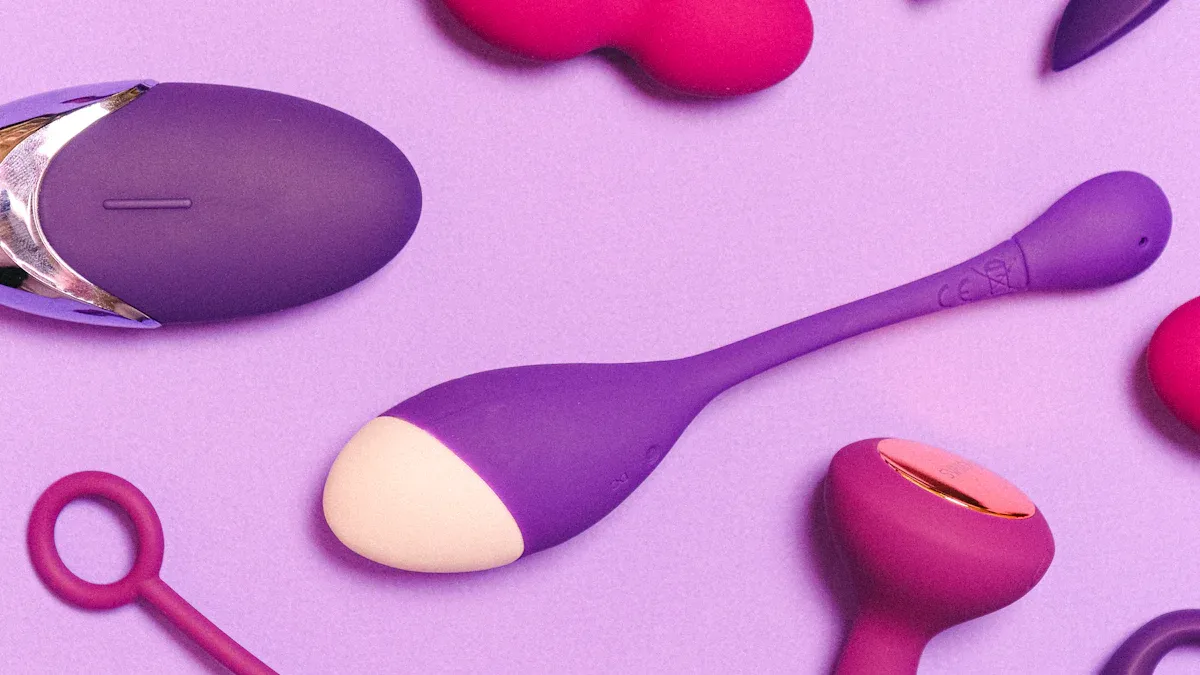
When you want to dispose of an adult toy, the first step is figuring out what it’s made of. Different materials need different disposal methods. Let’s break down the most common materials you’ll find and how to spot them.
Common Materials
Silicone
Silicone stands out as the most popular material for adult toys. You’ll notice it feels smooth, flexible, and sometimes a bit velvety. Medical-grade silicone dominates the market because it’s non-porous, hypoallergenic, and safe for your body. If your toy feels sturdy, doesn’t have a strong smell, and bounces back when you bend it, you’re probably holding silicone.
Plastic
Plastic toys feel hard and lightweight. They often have a shiny finish and come in bright colors. Some plastic toys use ABS plastic, which is non-porous and safe, while others use cheaper plastics that might feel brittle. If you tap it and hear a sharp sound, it’s likely plastic.
Glass
Glass toys look sleek and feel cool to the touch. Most use borosilicate glass, which resists breaking and handles temperature changes well. You can spot glass by its weight and transparency. If you see bubbles inside, it’s probably not high-quality glass.
Metal
Metal toys feel heavy and solid. Stainless steel is the most common type. You’ll notice a shiny, mirror-like surface. Metal toys don’t bend, and they stay cold until you warm them up in your hands.
Jelly/Rubber
Jelly, rubber, PVC, and TPE toys feel soft, squishy, and sometimes sticky. These materials often have a strong chemical smell. They’re usually cheaper and more porous, which means they can trap bacteria. If your toy feels floppy and smells like plastic, it’s probably jelly or rubber.
Tip: If you’re unsure about your toy’s material, check the packaging or the manufacturer’s website. You can also search for guides on social media or forums where people share tips for identifying materials.
How Material Affects Disposal
The material of your toy changes how you should dispose of it. Here’s a quick guide to help you decide what to do:
| Material | Disposal Method |
|---|---|
| Silicone | Clean and sanitize first. Check if your local recycling accepts silicone. If not, wrap and put in trash. |
| Glass or Metal | Clean and sanitize. Some recycling centers accept these. Borosilicate glass usually goes to landfill. |
| Plastic or Rubber | Clean and sanitize. Recycle if possible and no electronics inside. Black plastic and some rubbers must go to landfill. Wrap before trashing. |
You can see that silicone and metal are safer for the environment if you recycle them. Glass looks eco-friendly, but not all centers accept it. Jelly and rubber toys often end up in landfills because they’re hard to recycle and may contain chemicals.
Remember: Always remove batteries or electronics before disposal. Check your city’s recycling rules online or call your local waste center for the latest info.
Cleaning and Preparing Adult Toys
Getting ready to dispose of an adult toy starts with a good cleaning. You want to make sure you remove any residue, germs, or personal traces before you recycle, donate, or toss it. This step keeps you safe and protects anyone who might handle the toy later.
Cleaning Steps
You don’t need fancy products to clean your toy. Here’s a simple checklist you can follow:
- Wash the toy with antibacterial soap and warm water.
- Use a dedicated toy cleaner if you have one, but regular soap works well for most materials.
- Wipe the toy down for a quick clean, but always follow up with a thorough wash.
- For waterproof toys without electronics, boil them for 1 to 3 minutes to sanitize.
- If your toy is dishwasher safe, you can run it through a cycle without soap.
- Avoid bleach unless you rinse the toy very well. Skip alcohol, hydrogen peroxide, and household cleaners—they can damage the material.
Tip: Always check the manufacturer’s instructions before cleaning. If you’re unsure, look for cleaning guides from reputable health organizations like Planned Parenthood or CDC.
Here’s a quick table to help you match cleaning methods to toy types:
| Toy Material | Best Cleaning Method |
|---|---|
| Silicone | Soap & water, boil if safe |
| Glass/Metal | Soap & water, boil or dishwasher |
| Plastic | Soap & water |
| Jelly/Rubber | Soap & water, avoid boiling |
Removing Batteries and Electronics
If your toy has batteries or electronic parts, you need to remove them before disposal. This step keeps harmful chemicals out of the trash and helps you recycle responsibly.
- Check if the toy still works. If it does, think about donating it.
- If it’s broken, get ready to recycle.
- Carefully separate the batteries. Handle them gently to avoid leaks or damage.
- Take batteries to a recycling center. Never put them in regular trash or curbside recycling.
- For leftover electronic parts, ask your local electronics recycler if they accept them.
Note: Many cities offer battery drop-off bins at grocery stores or recycling centers. You can find local options by searching “battery recycling near me.”
Discreet Packaging for Disposal
You probably want to keep your disposal private. Here are some ways to package your toy discreetly:
- Wrap the toy in newspaper, paper towels, or a plain bag.
- Place it inside a box or opaque container before tossing it.
- Remove any labels or packaging that show what the item is.
- If you’re donating, use a sealed bag and mark it “personal care item.”
😊 You can use old shipping boxes or grocery bags to hide the toy. This keeps things low-key and protects your privacy.
Cleaning and preparing your adult toy before disposal helps you stay safe, keeps things private, and makes recycling easier.
Eco-Friendly Adult Toy Recycling
Home Recycling Compatibility
You might wonder if you can toss your adult toy into your home recycling bin. The answer depends on the material and your local recycling rules. Most curbside programs accept hard plastics, glass, and metal, but not all types of silicone or rubber. Check your city’s recycling guide online or call the local waste center. Look for recycling symbols on the toy or packaging. If you see a triangle with a number, that’s a good sign. Glass and metal toys often qualify for recycling, but you need to clean them first. Remove any batteries or electronic parts before recycling. If your toy is made of black plastic or soft rubber, most programs won’t accept it. These materials usually end up in the landfill.
Tip: Always rinse and dry your toy before placing it in the recycling bin. This keeps the recycling stream clean and safe for workers.
Here’s a quick table to help you check home recycling compatibility:
| Material | Usually Accepted | Preparation Needed |
|---|---|---|
| Hard Plastic | Yes | Clean, remove electronics |
| Glass | Yes | Clean, check for cracks |
| Metal | Yes | Clean, remove batteries |
| Silicone | Sometimes | Check local rules |
| Rubber/Jelly | No | Trash only |
Retailer and Terracycle Programs
If home recycling isn’t an option, you can look for special recycling programs. Some retailers offer mail-in or drop-off services for adult toys. These programs collect items that regular recycling centers reject, like silicone or mixed-material toys. You can search online for recycling platforms that accept adult toys. Terracycle is one example of a program that partners with retailers to recycle hard-to-process items. You usually need to clean your toy, remove batteries, and pack it in a box. Then, you ship it to the program’s address. Some stores have in-person drop-off bins for used toys. These programs help keep more items out of landfills.
Note: Always check the program’s website for accepted materials and instructions. Some programs charge a small fee for shipping or processing.
Sex Shop Drop-Off Bins
Local sex shops sometimes offer drop-off bins for recycling adult toys. These bins accept a range of materials, including silicone, glass, and metal. You just need to clean your toy and remove any batteries before dropping it off. Staff can answer questions about what’s accepted. This option keeps your disposal discreet and supports community recycling efforts. Some shops partner with recycling platforms to process the items responsibly.
😊 If you’re not sure where to find a drop-off bin, ask your local shop or search online for “adult toy recycling near me.”
Here’s a table comparing eco-friendly recycling options:
| Option | Accepted Materials | Cost | Privacy Level | Preparation Needed |
|---|---|---|---|---|
| Home Recycling | Plastic, glass, metal | Free | High | Clean, remove electronics |
| Retailer Programs | Silicone, mixed items | Varies | High | Clean, pack, ship |
| Sex Shop Drop-Off Bins | Silicone, glass, metal | Free | High | Clean, remove batteries |
Choosing an eco-friendly recycling option helps you keep your space clean and protect the planet. You can find more details by checking your city’s recycling website or searching for national recycling programs.
Donating Unused Toys
You might have an unused adult toy sitting in your drawer. Maybe you bought it on impulse, received it as a gift, or changed your mind about using it. Instead of letting it gather dust or tossing it out, you can donate it and help someone else. Donation is a responsible way to support sexual health education and community wellness.
Before you donate, check that your toy is brand new and still sealed in its original packaging. Most organizations only accept unopened items for hygiene and safety reasons. Used toys, even if cleaned, usually cannot be donated.
Here’s how you can donate unused toys:
- Find a Local Sexual Health Clinic or Community Group
Many clinics and support groups welcome donations of new adult toys. These items help with sexual health education, therapy, or outreach programs. You can search online for clinics in your area or visit their websites for donation guidelines. Some community centers also run drives for personal care items. - Contact Nonprofits Focused on Sexual Wellness
Some nonprofits collect unopened toys for people who may not have access to sexual health resources. These organizations often distribute items to shelters, LGBTQ+ centers, or educational workshops. You can email or call them to ask about their donation process. - Mail-In Donation Platforms
A few online platforms accept donations by mail. They provide instructions for packaging and shipping. Always check their requirements before sending anything.
Tip: Always include a note or label that says “personal care item” when donating. This helps staff sort and distribute donations discreetly.
Here’s a table to help you compare donation options:
| Donation Option | Accepted Items | How to Donate | Privacy Level |
|---|---|---|---|
| Sexual Health Clinic | Unopened, sealed toys | Drop-off or mail | High |
| Community Group | Unopened, sealed toys | Drop-off | High |
| Nonprofit Organization | Unopened, sealed toys | Mail or drop-off | High |
According to a 2023 survey by a sexual health advocacy group, about 12% of adults who purchased toys in the past year considered donating unused items. While donation rates are still low, awareness is growing. You can help increase access to sexual wellness products and support education by donating.
If you want to learn more, check out resources from Planned Parenthood or your local health department. These organizations often list donation guidelines and community programs.
Donating an unused toy is a simple way to make a positive impact. You keep your space clutter-free, protect the environment, and help others feel empowered about their sexual health. 😊
Safe Disposal in Household Waste
When to Use Trash
Sometimes, you just can’t recycle or donate your adult toy. Maybe it’s made of jelly, rubber, or mixed materials that your local recycling center won’t accept. If your toy has broken parts, stains, or electronics you can’t remove, trashing it becomes the safest option. You should always check your city’s waste guidelines before tossing anything. Many local governments post clear rules online. For example, the EPA’s Household Hazardous Waste page explains what belongs in the trash and what needs special handling.
Here are some situations when you should use the trash:
- The toy is made of non-recyclable materials like jelly, PVC, or black plastic.
- You can’t remove batteries or electronic parts.
- The toy is damaged, stained, or can’t be cleaned.
- Local recycling programs don’t accept the material.
Tip: If you’re unsure, call your local waste management office or check their website for guidance.
Minimizing Environmental Impact
You can still make eco-friendly choices, even when you have to use the trash. Start by removing any batteries or electronics. These parts contain chemicals that harm the environment. Take batteries to a recycling drop-off or hazardous waste center. If you can’t remove electronics, wrap the toy securely to prevent leaks.
Here’s a quick checklist to help you minimize your impact:
- Remove and recycle batteries.
- Separate any electronic components if possible.
- Clean the toy to remove residue.
- Wrap the toy in paper or a biodegradable bag.
- Place it in your regular trash bin.
| Step | Why It Matters |
|---|---|
| Remove batteries | Prevents soil and water pollution |
| Clean the toy | Protects sanitation workers |
| Wrap securely | Keeps disposal discreet |
| Use biodegradable bags | Reduces landfill waste |
You can find local battery recycling centers by searching “battery recycling near me” or visiting your city’s official website.
Discreet Trash Disposal
Privacy matters when you throw away an adult toy. You probably don’t want anyone to see what’s inside your trash. You can keep things discreet with a few simple tricks.
- Wrap the toy in newspaper, paper towels, or a plain bag.
- Place it inside a box or opaque container.
- Remove any labels or packaging that reveal what the item is.
- Toss it into your trash bin on collection day, not days before.
😊 Old shipping boxes or grocery bags work great for hiding items. You can also double-bag for extra privacy.
If you live in an apartment or share a trash area, wait until the bin is nearly full before adding your wrapped toy. This helps bury it under other waste. You can also take your trash out at night for extra discretion.
Safe household waste disposal keeps your space private and protects the environment. You make a responsible choice by following these steps and checking local guidelines.
Privacy and Discretion Tips
When you decide to part ways with an adult toy, privacy often tops your list of concerns. You want to keep your personal life personal, whether you live with roommates, family, or just value your own space. Here are some practical ways to keep things discreet from start to finish.
Concealing Adult Toys
You have plenty of clever options for hiding adult toys before disposal. Try these real-life tricks to keep things under wraps:
- Tuck the toy inside a suitcase and layer clothes or towels on top. This makes it almost invisible if someone opens the case.
- Use an empty shoebox and place it on a high closet shelf. Out of sight, out of mind!
- Slip longer toys into socks for extra protection and camouflage.
- Place items in plain bags and stash them in hard-to-reach spots, like the back of a drawer or behind books.
- For extra security, consider a lockable case. This keeps curious hands away and adds a layer of privacy.
These methods work well whether you’re storing toys before disposal or just want to keep them hidden until trash day.
Protecting Personal Info
You might not realize how much personal information can stick to an item. Labels, receipts, and even shipping boxes can reveal more than you’d like. Here’s how you can protect yourself:
- Remove any labels or stickers with your name or address.
- Shred or tear up receipts and order confirmations.
- Delete any digital records or emails that mention your purchase, especially if you share devices.
- If you’re donating, include only the item—never add paperwork with personal details.
Tip: Always double-check packaging for hidden barcodes or return labels. Even small details can give away your identity.
If you want to learn more about privacy, check out resources from privacy advocacy groups or follow privacy tips on social media platforms like Reddit’s r/privacy.
Disposing of Packaging
Packaging can be just as revealing as the toy itself. You want to make sure no one can trace the item back to you. Here’s what you can do:
- Break down boxes and cut up any branded packaging.
- Place packaging inside a plain bag or wrap it in newspaper before tossing it.
- Recycle cardboard and paper if possible, but always remove identifying marks first.
- If you have a lot of packaging, spread disposal over several trash days to avoid drawing attention.
| Step | Why It Helps |
|---|---|
| Remove labels | Hides your identity |
| Wrap packaging | Adds discretion |
| Recycle properly | Reduces waste |
Taking these steps helps you keep your privacy intact while disposing of an adult toy. You stay in control of your personal information and avoid awkward moments. 😊
Battery-Operated and Electronic Toys
Battery-operated and electronic toys need special care when you’re ready to dispose of them. These items often contain batteries, wires, or small circuit boards. If you toss them in the regular trash, you risk leaking chemicals and harming the environment. Here’s how you can handle these toys the right way.
Removing and Recycling Batteries
Start by checking if your toy has removable batteries. Most battery compartments open with a small latch or screw. Once you remove the batteries, wipe them down to get rid of any residue. Never throw batteries in your household trash. Instead, take them to a local battery recycling drop-off. Many grocery stores and recycling centers have bins just for batteries. This step keeps toxic materials out of landfills and protects your community.
If you’re not sure where to go, search online for “battery recycling near me.” You’ll find plenty of options close by. Always clean your toy after removing the batteries. This makes it safer for anyone who handles it later.
E-Waste for Electronics
Some toys have built-in electronics, like motors or lights. These parts count as e-waste. You can’t put e-waste in your curbside recycling bin. Instead, look for special e-waste recycling programs. Many cities offer drop-off events or permanent collection sites for electronics.
Here’s a quick table showing common e-waste recycling programs and their basic requirements:
| Program Location | Requirements | Region |
|---|---|---|
| Local Drop-Off Center | Clean toys before recycling; drop off or mail in | North America |
| Specialty Retailer | Clean toys before recycling; drop off | Various Cities |
| Mail-In Program | Clean toys before recycling; mail in | International |
You usually need to clean your toy before recycling. Remove any batteries first. Some programs let you mail in your item, while others require you to drop it off in person. Always check the program’s website for details.
Tip: If you have several electronic items, gather them together for one trip to the recycling center. This saves time and helps you stay organized.
Handling Non-Removable Batteries
Sometimes, you’ll find toys with batteries you can’t remove. These can be tricky. Here’s what you should do:
- Clean and sanitize your adult toy before disposal.
- If the toy is made of plastic and doesn’t have electronics, check if it’s recyclable.
- For toys with non-removable batteries, look for specialized recycling programs. If you can’t find one, dispose of the toy in your household waste after cleaning.
Always try to recycle when possible. If you must use the trash, wrap the toy in paper or a bag to keep things discreet and safe.
Note: Non-removable batteries can leak over time. Try to keep these toys out of landfills by using a recycling program if you can.
Taking these steps helps you protect the environment and keeps your disposal process safe and private. You make a positive impact every time you choose the responsible option.
You have several ways to dispose of old adult toys responsibly. Here’s a quick guide:
| Disposal Method | Key Steps |
|---|---|
| Recycling | Check local programs, clean, drop off |
| Throwing Away | Wrap, seal, toss discreetly |
| Donating | Research, contact, clean, donate |
Protect your privacy by wrapping items and removing labels. You help the environment and keep your space safe when you follow these steps. Choose the method that fits your needs best. Every responsible choice you make supports a cleaner, safer world. 😊
FAQ
Can I recycle all types of adult toys?
You can’t recycle every toy. Most recycling centers accept hard plastic, glass, or metal. Soft rubber, jelly, and toys with electronics usually go in the trash. Always check your local recycling rules.
What should I do with toys that have batteries?
Remove batteries before disposal. Take them to a battery recycling drop-off. If you can’t remove the battery, look for an e-waste recycling program. Never throw batteries in your regular trash.
Is it safe to donate unused adult toys?
You can donate only unopened, sealed toys. Used toys are not accepted for hygiene reasons. Contact local clinics or nonprofits to ask about donation guidelines.
How do I keep my disposal private?
Wrap your toy in newspaper or a plain bag. Place it inside a box or opaque container. Remove any labels or packaging that show what the item is. Take out the trash close to collection time.
What if my toy has electronics I can’t remove?
If you can’t separate electronics, clean the toy and look for an e-waste recycling program. If no program exists, wrap the toy securely and dispose of it in your household trash.
Are there eco-friendly options for disposing of packaging?
You can recycle cardboard and paper packaging after removing labels. For plastic packaging, check your city’s recycling guide. Spread disposal over several trash days if you want extra privacy.
Do I need to clean my toy before disposal?
Yes, always clean your toy before recycling, donating, or trashing it. Use soap and water or a toy cleaner. This protects sanitation workers and keeps your disposal safe.